Why Tinnitus Often Feels Worse at Night
7/6/20263 min read
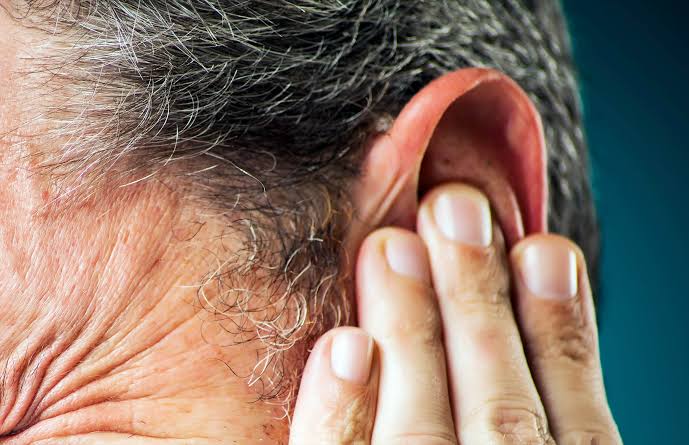
The hardest part is not always the ringing itself. It is lying awake, waiting for sleep, while the sound seems to take over every quiet corner of the room.
That feeling can make anyone wonder if something is getting worse. When tinnitus seems louder at night, it is easy to fear that your hearing is rapidly declining or that something dangerous is happening while everyone else sleeps.
In many cases, though, the ringing is not actually becoming stronger after dark. The environment around you is changing.
During the day, your brain is busy. Traffic, conversations, appliances, birds outside, and countless little sounds compete for your attention. At night, those distractions disappear. The ringing has less background noise to compete with, so it naturally stands out more.
Stress can add another layer.
After a long day, your body may finally slow down enough for you to notice sensations you ignored earlier. Worrying about the ringing can also make your brain pay even more attention to it, creating a cycle where anxiety makes the sound feel more intrusive, which creates even more anxiety.
Sleep itself matters too.
Poor sleep and tinnitus often feed each other. The ringing makes it harder to fall asleep. Less sleep leaves you feeling more sensitive to the ringing the following night. Breaking that cycle can take time.
Some people find small changes helpful, including:
Keeping a gentle fan or soft background sound in the room.
Avoiding complete silence before bed.
Limiting caffeine or alcohol late in the evening if they seem to make symptoms worse.
Practicing a relaxing bedtime routine instead of focusing on whether the ringing is still there.
These ideas can make nights more manageable for some people. They do not work for everyone, and they may not reduce the ringing itself.
That is the frustrating part. Understanding why tinnitus feels louder at night does not automatically make those quiet hours any easier. Knowing the reason and finding something that genuinely helps are two different things.
I remember reaching that point myself.
After decades working around loud equipment, I assumed the ringing was just part of getting older. At first it stayed in the background. Eventually it started waking me around three in the morning.
Then I noticed something even harder.
Reading became difficult because silence made the ringing impossible to ignore. Watching television only helped until the commercials ended. Even sitting in my car at a stoplight felt strangely uncomfortable.
The phrase that stayed with me came from a doctor who simply told me to learn to live with it.
I walked out feeling like every quiet moment for the rest of my life had already been decided.
I tried sound machines. They helped me drift off sometimes, but daytime was unchanged. I bought ear-health supplements that promised far more than they delivered. I even paid for a specialist appointment that confirmed some hearing loss but offered no real answer for the ringing itself.
Eventually I started reading about how tinnitus involves the brain as well as the ears. Researchers are still studying exactly why it happens, and there is no single explanation that fits every person. That made more sense to me than many of the exaggerated promises I had seen online.
I cannot tell you that what interested me will help you. I am not a doctor, and everyone's tinnitus has different causes. I can only share what made sense to me and what I chose to explore.
One approach I came across focused on exercises intended to help shift attention away from persistent phantom sounds and reduce how disruptive they felt over time.
The ringing did not disappear.
But after a couple of weeks, I realized something had changed.
I was waking up less often during the night. One morning I sat outside with a cup of coffee and suddenly noticed I had spent several quiet minutes simply watching the trees instead of listening for the ringing.
That moment stayed with me because I had almost forgotten what it felt like to stop thinking about tinnitus, even briefly.
I put together a short free video explaining the research that caught my attention, the approach I decided to try, and why I felt it was worth understanding before dismissing it. You may remain skeptical, and I completely understand that after everything people with tinnitus are promised.
Tinnitus that changes, suddenly becomes much worse, or comes with new hearing loss, dizziness, or severe pain deserves medical evaluation. Even when symptoms are stable, understanding what may be contributing to them can help you make more informed decisions.
WellnessRootGuide
Some links on this website are affiliate links. If you choose to purchase through these links, I may earn a commission at no extra cost to you. The information and experiences shared here are based on personal use and individual opinions. Since everyone is different, your results may vary, and no specific outcomes are promised. The content on this website is intended for educational and informational purposes only and is not a substitute for professional medical advice, diagnosis, or treatment. Please consult a licensed healthcare provider before starting any new supplement, treatment, or wellness program.
Quick links
© 2025. All rights reserved.